The Dental Chair and the Steroid: Why Your Next Cleaning Needs a Prednisone Conversation
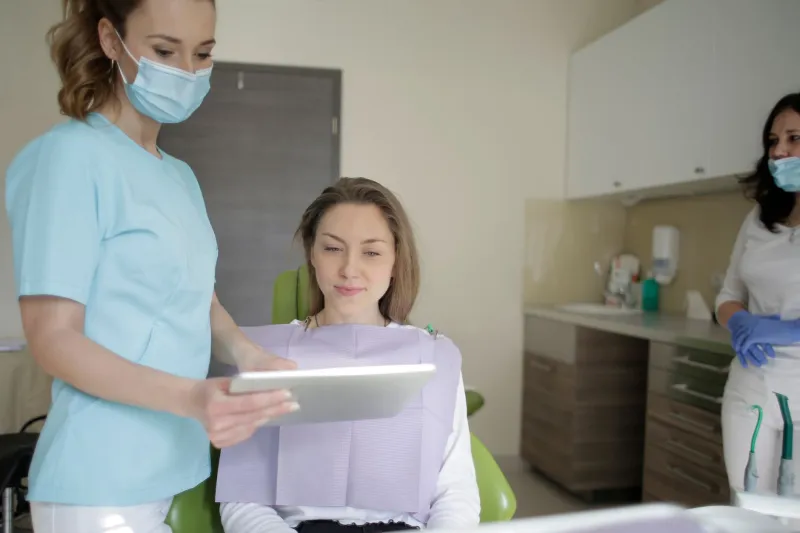
A dental appointment can feel separate from the rest of medical care. It is a cleaning, a filling, or perhaps a root canal. But prednisone does not stay in one compartment of a patient's health, and dental treatment is a physical stressor that deserves a brief, direct conversation with both the dentist and the prescriber.
Why a cleaning is not always routine
Prednisone reduces inflammation and changes immune activity. Those effects are often the reason the drug was prescribed, but they also mean that the body may respond differently to dental procedures. Even a routine cleaning can cause small areas of gum bleeding, and more invasive work such as an extraction, implant, or root canal creates a larger healing demand.
The patient does not need to arrive at the dental office with a complete medical lecture. A simple statement is enough: I take prednisone, this is my dose, and this is why I take it. From there, the dental team can decide whether the prescriber should be contacted.
Adrenal suppression and procedure stress
Long-term prednisone use can suppress the adrenal glands, which are responsible for producing cortisol and mounting a stress response. If the body cannot produce enough cortisol during illness, surgery, or another stressful event, the result can be serious. Dental procedures vary in intensity, and the dentist may want to know the dose, duration, and recent steroid history before deciding whether any additional precaution is needed.
This is not a reason to stop prednisone before dental work. Suddenly stopping a corticosteroid can itself be dangerous. The decision belongs to the prescriber, who can advise the dentist about whether supplemental corticosteroid coverage is appropriate for a particular procedure.
Infection risk
Prednisone can increase susceptibility to infection and can blunt some of the usual signs, such as fever. Dental procedures can temporarily introduce bacteria into the bloodstream, especially when gums are inflamed or an extraction is performed. The dentist may consider preventive measures based on the patient's overall health, but patients should not take leftover antibiotics or assume that premedication is needed. That decision requires a dental and medical assessment.
Good oral hygiene remains important. Patients should report fever, swelling, pus, or unusual pain after a procedure rather than waiting for a scheduled follow-up.
Healing and bone health
Corticosteroids can impair wound healing and are associated with bone loss over time. For extractions and implants, healing and bone quality matter. A patient who has taken prednisone for months or years should tell the dentist, especially if an implant is being planned. The dental team may need to coordinate with the prescriber and consider the patient's overall bone health, diabetes control, and smoking status.
Bleeding and medication interactions
Prednisone can affect bleeding risk indirectly, and it can increase the risk of gastrointestinal irritation when combined with nonsteroidal anti-inflammatory drugs such as ibuprofen or naproxen. Dental pain plans often involve NSAIDs, so patients should ask before taking them. The dentist should also know about blood thinners, diabetes medications, and other immunosuppressants.
Local anesthetics are commonly used in dentistry and are usually well tolerated, but the dental team should still know the full medication list. The goal is not to create alarm. It is to prevent avoidable interactions and to choose a post-procedure pain plan that fits the patient's medical profile.
What to tell the dentist
Before the appointment, provide the current prednisone dose, how long it has been taken, the reason for use, and the prescriber's name. Mention other medications, allergies, bleeding history, recent infections, and any previous problems with dental treatment. Ask whether the dentist wants to contact the prescriber before a cleaning, extraction, implant, or root canal.
What not to do
Do not stop prednisone on your own before a dental visit. Do not skip a dose to make the appointment easier. Do not take leftover antibiotics or a friend's pain medication. Do not assume that a cleaning is too minor to mention. Coordination is simpler than correction.
Questions to ask
Does my dose and duration raise concern about adrenal suppression? Do you need to speak with my prescriber before this procedure? What pain reliever is safe with my medications? What signs after the procedure should prompt a call? These questions turn a vague worry into a clear plan.
Bottom line
Prednisone and dental care can coexist safely when the dental team and prescriber have the information they need. The patient's role is not to manage the steroid alone. It is to disclose it clearly, ask about coordination, and follow the plan that the clinicians develop together. This article is educational and does not replace advice from a dentist or prescriber.